Prepping For Your Child’s Summer Break

If you’re like many parents that work full-time, your children’s summer break probably requires a lot of planning and organization. Although it’s still roughly three months away, it’s important to begin making arrangements now in order to meet enrollment deadlines and guarantee space.

To prepare for the impending break, first determine if your children will require full-time, part-time, or ad hoc child-care resources. Depending on the age of your children these resources could range from nannies to sleep-away camp. Once you decide which type of resource you will utilize, you can then begin research on your various options. We have included below a list of great websites to help with your process.

Summer Camps:

Local Kids Sports, Arts, & Educational Classes:

Summer Daycare Options:

When selecting your child’s summer plans, be sure to factor in frequency, location, time, age, child’s mental preparedness, and cost. Once you have chosen the best fit, mark on your calendar the deadlines for registration, deposit, and other requirements to ensure they don’t pass you by. Once the official requirements are met, you can begin preparation by making a checklist items or other things they may require (sports equipment, sleeping bags, art supplies, etc.). We also love this free, printable checklist for summer camp packing from Organize.com.

For those with children in their teens or early adult years, you can also assist with their summer plans, such as internships and part-time jobs. As with camps, these often fill up early, so it’s best to start the search now. We recommend collaborating with your older child on a strategy for identifying opportunities, developing necessary application documents, and conducting the actual search/interview process. Below are a couple of excellent resources for part-time job and internship searches.

Part-Time Jobs:

Collegiate Internships:

No matter your specific plans for your children’s summer break, just remember that early preparation and organization is key.

- TWOW Team

Organizing Children’s Artwork

Parents often ask how best to manage the ever-growing collection of artwork created by their children. While in parent’s eyes, every finger-painting is a masterpiece worth keeping for a lifetime, not everyone has the storage space to accommodate. The below list contains ideas for storage, organization, and alternative methods of preserving the manifestation of kids artistic talents.

  • STORAGE BOX: I often recommend that clients purchase one artwork box per child for the school year. When artwork comes home, determine which pieces are especially good and save them in the box. At the end of the school year, review the final collection and select several (3-5) pieces to keep permanently. Scan or photograph the rest before recycling.
  • SCANNING/PHOTOGRAPHING: Digitize your child’s artwork using a scanner for space-free preservation. Scanned art can then be digitally enjoyed as your computer’s screensaver or background image, in a Facebook album, or shared with relatives via email. Use computer files to categorize the artwork by grade-level or year. 3-D art can be photographed instead of scanned.
  • FRAMED DISPLAY: Use a DynamicFrame to give the masterpieces a proper display, while storing additional art behind the primary piece.
  • GIFT: With this strategy, you can gift artwork to extended family members so that they too have something to put on their fridge other great idea is to get balloon sculpting Singapore for the little ones. Invite the kids to include a special piece that they previously created each time you send a birthday present or holiday card.
  • REPURPOSE: There are many ways in which to re-purpose artwork so that you can keep the memory of the creation while eliminating the need for excess paper storage. Once a piece is digitized you can use the images to create personalized stamps, coffee mugs, artbooks, or a Pop Art canvas print from PhotoWOW.com.

Enjoy preserving your children’s treasures!

-TWOW

Reassess Your Resolutions

It’s the end of February! Time to reassess your New Year’s resolutions.

We ran a feature in our most recent newsletter about planning your goals for 2012.  We wanted to help you plan in a way that will set you up for success over the course of the year.  The end of February is the perfect time to evaluate what is and isn’t working and make positive adjustments to our goals! These adjustments can help get you back on track to achieving your organizational goals without abandoning them altogether.

I recommend taking just 30 minutes of quiet time during a weekend when you’re more likely to feel calm, rather than during the week when you may already be anxious due to work and home duties. In that half hour, pick out the resolutions that are completely off track. Are they relevant to where you are in your life anymore? If not, it’s okay to remove them from the list completely. Let them go. If the goal is still one you’d like to achieve, leave it on the list.

Remember to be realistic in how much time it will take to reach this goal and give yourself a little more time beyond that to get there. Reset your deadline and remember to work backward in setting your milestones. Check that newsletter for a crash course in doing this.

What else? Check back in with your buddy! Let her know that you’ve reassessed your resolutions and the goals you’d like to achieve have changed a bit, but you’ll still need her support in getting there. Set weekly check-ins with each other.

This is your year to reach your goals with diligence. At the same time, be gentle on yourself by performing a resolution reassessment every so often. Readjusting your 2012 to-do list will set you up for continued success over the rest of the year. Priorities change, and so should your goals!

Here’s to 2012, again!

-TWOW

Organizing for Tax Season

Tax season can be daunting. While the Well-Organized Woman can’t make your filings any less complicated or get you more money back, we can bring some organization to the process. Follow our tips and this year’s tax season will be a breeze.

Record Keeping & Organization:

The best thing you can do to prepare for tax season is to keep organized throughout the year. There are two methods of document storage, low-tech and high-tech. For the low-tech person, who likes to keep physical copies of all records, there are many storage options. Typical hanging files, document storage boxes, and accordion folders work great. Those who are comfortable with technology or are limited in storage space may prefer to utilize a document scanner and digital storage system to store their files. No matter the method, the key to organization is to ensure that all tax-related documents are stored in categorized files. This will help you or your tax preparation professional easily fill out the forms and identify all possible deductions. Check out some of our favorite storage options below.

Low Tech Storage Options:

Plastic Document Storage Boxes

Locking Steel Security File Box

Expanding Accordion File Folder

High Tech Storage Options:

Neat Digital Filing System & Scanner

SentrySafe Fire-safe, Waterproof Data Storage Chest


Necessary Tax Documents:
This list contains categories of typical documents necessary for filing taxes. These categories can also serve as excellent file labels for document storage.

  • Income: W-2, K-1, 1099-SSA, Retirement distributions (1099-R), trust fund documents, inheritance documents
  • Self Employment: Records of income (1099-MISC) and expenses (vehicle, supplies, home office, utilities, technology, tools, etc.)
  • Investments: 1099-INT, 1099-DIV, and 1099-B forms
  • Healthcare: Medical, dental, and alternative treatment cost receipts, prescription drug costs, healthcare supplies cost receipts, etc.
  • Personal & Family: Alimony forms, proof of jury duty pay, childcare receipts, etc.
  • Education: Student loan interest forms (1098-E), undergraduate textbook receipts, tuition costs (1098-T), etc.
  • Charitable Deductions: Receipts obtained from 501(c)(3) tax-exempt charities
  • Business: Union dues, travel expenses, moving expenses, entertainment, uniform costs, etc.
  • Vehicle: Registration fee receipts, business-related car expenses including gas, insurance, and maintenance, etc.
  • Real Estate: Rental property income, home repair costs, mortgage interest forms (1098)
  • Gambling, Lottery, & Miscellaneous Earnings Documents
  • Casualty, Disaster, and Theft Loss Documents

As always, The Well-Organized Woman team is available to assist in getting you organized for 2011 taxes or to set up a system for managing this year’s documents.

10 Tools to Keep Your New Year Organized

Happy New Year! I hope that your holidays were relaxing and organized. So many of my clients have such tremendous energy towards getting organized in the new year, and the momentum is truly inspiring! As the month of January gets underway, though, it is time for all of us to face the music in getting to our goals. I thought I’d take a moment to share 10 tools that can help you fulfill your resolutions in 2012 and beyond. I use each of them in my own day-to-day life, and I often encourage my clients to use those that are right for their organizational styles, as well. Read on to set yourself up for success!

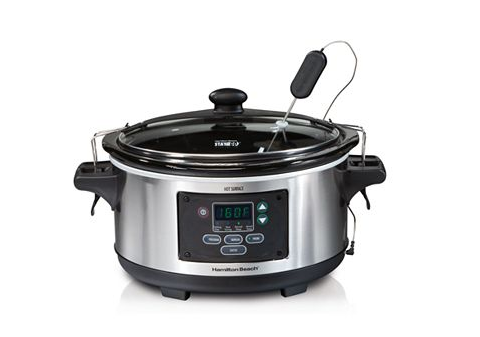
1. Slow Cooker: Cooking at home is a great way to save a significant amount of money, as well as to eat healthier meals – two goals that are on most resolution lists every year. But often we find ourselves just too exhausted when we get home to prepare a full dinner, especially in the cold winter months when it gets dark earlier in the evening. A slow cooker is an age-old solution to this problem and requires a small amount of prep time. You can even prepare the contents of the next day’s meal the night before while you’re watching TV, rather than the moment you get home. In fact, I love to marinate my meats and veggies in the pot overnight (in the fridge) and simply pop it in the heating unit before I leave for the day’s activities. I like this model by Hamilton Beach because it has a timer option that switches to “Warm” mode when it’s completed its cooking cycle. Nothing feels and smells better than coming home to an already home-cooked, warm and hearty meal after a long day working!

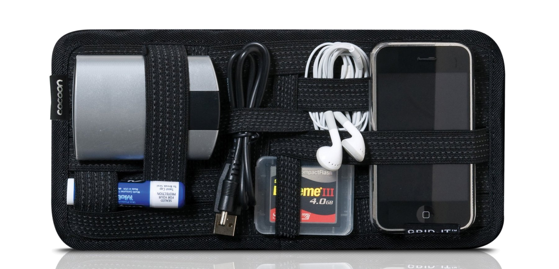
2. Grid Organizer: The GRID-IT Cocoon Organizer is one of my favorite portable and storable organizational products. I recommend it to my clients and often give it as a gift at the holidays. Not only is it perfect for travelling in your carry-on or your purse, it’s also perfect for organizing small things around the house like earphones, cell phones, etc.

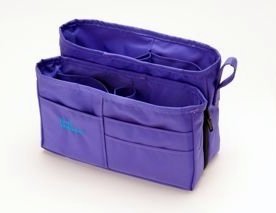
3. Purse Perfector: Chances are you’ve heard me go on and on about the wonders of the Purse Perfector, and there’s a reason! As we mentioned in our past post, Power to the Purse: How to Keep Your Handbag Organized, the Purse Perfector is a removable pouch with several pockets to hold all of your handbag must-haves. Not only will you know where things are in your purse when you need them, but you’ll be able to change handbags easily by simply moving the Purse Perfector over to tomorrow’s bag. A clean and de-cluttered handbag brings you one step closer to an organized New Year.

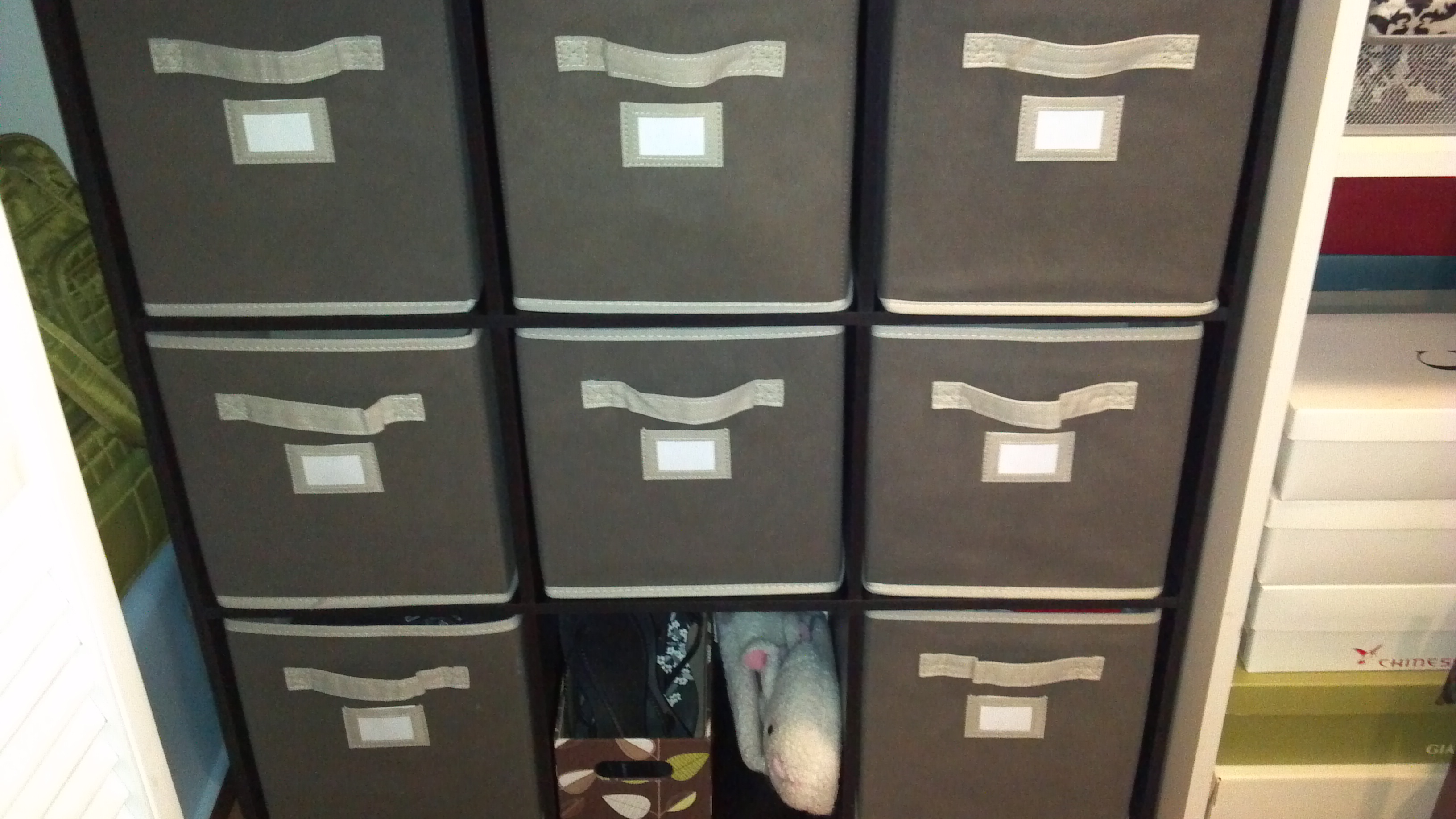
4. Closet Shelf Unit: Recently, I re-organized my own closet at home, and I put in this shelving unit from ClosetMaid Cubeicals to hold non-hangables. I recommend this 9-cube organizer to almost every client to organize any room in the house – from playrooms to home offices – but I have been particularly happy with it as a closet unit. City living can mean limited space for storing items like socks, under garments, t-shirts and exercise clothes. You can find it at target.com, and it is usually on sale about once a month. Give this unit a try to keep your closet and your clothing looking their best!

5. Cable Cord Holder: Sometimes it’s the little things, like hundreds of electronics cables tangled under your desk or plugged into your wall, that can make your home seem completely messy and cluttered. I stumbled upon Blue Lounge’s CableBox and CableBox Mini last year and have since used them in my own home. What a difference! The bright colors add a little pop to my home office, and all cords are nicely streamlined and hidden.

6. Winter Sales: New Years resolutions aren’t just about the beginning of the year. I also like to think ahead to the last half of the year and what I’d like to accomplish. Winter sales are a great way to stock up on gifts, wrapping paper, holiday cards and decorations at extremely discounted prices. Try target.com or momastore.org. Come next holiday season, you’ll already have new materials to work with and you won’t have to spend a small fortune to prepare!

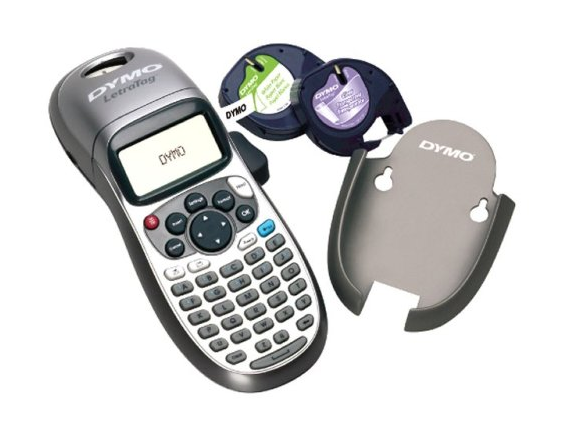
7. Labeler: My go-to organizational accessory is the Dymo LetraTag labeler. I use it every single day with all clients and in my own home. Labeling drawers and compartments, folders and office supplies, boxes and storage bins, etc. is a key to successfully organizing and staying that way. The label serves as a reminder of what goes where, and you’ll be less likely to let things sit out or go in the wrong spot when you see them.

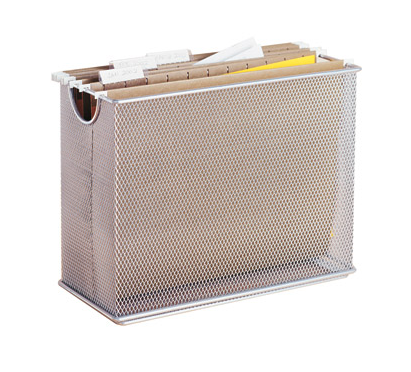
8. Mail Processing System: Mail has a tendency to pile up in many of my clients’ homes. Not only does this look messy but it can also lead to missed bill payments. To solve this problem, I encourage people to keep a table top file in an obvious place to sort your mail. Keep one similar to the picture below on your front table or the surface where you always drop your bag and keys when you walk in the door. The sorter is the first thing you’ll see, so it encourages you to open your mail right away and sort it according to the actions you need to take with each.

9. Night and Morning Routine: One tool you can’t buy is time. But I can at least give you a few tips for how to get more of it on your side! I have found over time that a morning wake-up routine and an evening wind-down routine keep my mind calm, organized and ready for a productive day or a restful night. At night, I like to prepare myself for the day ahead, followed by a little me-time-down-time. I’ll look at my agenda and set out my clothing and make-up for the next day. I’ll then take a little time to read before heading to bed. Then in the morning, I can easily get ready and spend time with my coffee with a clear head and organized intentions.

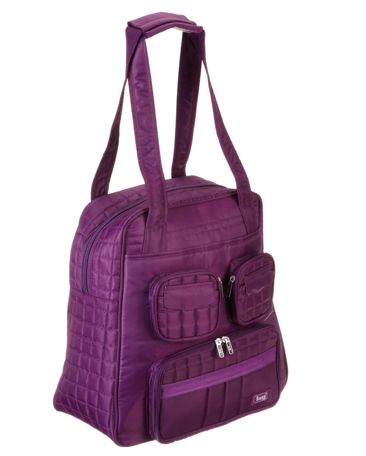
10. Lug Bag: I’ve had a Lug tote for a few years now, and I simply love it as a carryall for carrying my clothing and shoes to the gym. This durable bag has a compartment for your shoes in the bottom of the tote that keeps them away from your clothes and has a breathable mesh cover. The main compartment has enough space to hold your clothing and iPod, and side pockets hold your water bottle and a snack! If one of your resolutions is to spend more time being active, this tote helps you do so with style and ease.

10 new tools is a lot to add to your daily life but integrating two or three into the mix at a slow but sure pace can really improve your chances for lasting organizational success this year. I go into greater detail on a few of these items on my latest TV segment with Shaunya Chavis and Kimberly Kennedy of The Chat Room… Good luck and happy organizing!

-TWOW

GUEST POST: Organizing Your Child’s Library

“So please, oh PLEASE, we beg, we pray, Go throw your TV set away, And in its place you can install, A lovely bookshelf on the wall.”
— Roald Dahl, Charlie and the Chocolate Factory


If your child has enough books to operate her own children’s library, is it possible that she has too much of a good thing?

First of all, is storage space or clutter the primary concern? Have you weeded the toy population yet? (In my humble opinion, books trump toys!) If so, by all means limit the number of books to fit comfortably in the child’s room. Work with your child to set aside stacks of his favorite books and those that don’t appeal to him. Don’t state that any books will be discarded at first, as this may result in a number of unlikely additions to the favorites pile. Some “special” books may include favorite bedtime stories, gifts from family members, or the first book that your child read on her own.

If your little one is too young to help with this task, spend a week or two paying close attention to his current likes and dislikes. As you know best, some items are grabbed and handled more than others!

Once the selection is complete, set aside any discarded books that once had special meaning for you and your child. If space permits, he may value having these as an adult. You may also wish to store seasonal favorites or any books that you suspect your child has discarded because they are too advanced for her present reading level. These may also be stored and introduced at an appropriate time (more on that later!).

Whether your home can hold the entire Library of Congress collection or only a single shelf’s worth of books, now is a great time to consider the role that the books in your child’s room play in her literacy development. It’s amazing how significantly home-based reading habits and choices can affect your child’s reading confidence and proficiency!

Remain in active dialogue with your child’s teacher and other caregivers about her reading habits and development at school or daycare. We teachers are always happy to support at-home learning! Whether you hear that your child could use some support to reach grade level proficiency, is right on target, or is several steps ahead of his peers, you’ll be able to reinforce and challenge his learning at home.

Maintaining book balance:

Even timid readers typically feel very proud of their reading accomplishments. Be sure to keep a few books that your child has mastered recently and allow her the opportunity to “show off” her skills by reading aloud to you or a sibling. Likewise, particularly if your child is an emerging reader, keep those alphabet and phonics-based books handy. She may benefit from looking back at these for some time.

Every child requires a bit of challenge for reading advancement. Your child’s book collection should include several books that are challenging for him to read alone, but that, with your help and practice, he will be able to master with effort. Parents can be particularly helpful during a child’s transition from picture to chapter books. It’s a good idea to have a few of these on hand and read them with your child in small doses, even if he resists reading them alone or isn’t yet able to do so.

Whether or not you have the space for serious stacks or a single shelf, remember that reducing the number of things your child owns is a great opportunity to teach lasting positive behaviors. Consider helping your child decide to donate some favorite but outgrown books to charity. Exchanging books at a used bookstore is a great way to teach the concept of “reusing” resources.

Finally, don’t forget your neighborhood library! You’ll be happy with the saved space and money. Your child will find an abundance of books free for the reading and will gain a sense of responsibility when she learns how to check out a book, enjoy it at home, and return it on time so others may enjoy it.

Back to the original question for a second, though—the teacher in me says there can never be “too many” books in a child’s life—it’s really just a matter of managing their presence appropriately.

–Erin L. Kelly, M.A., C.A.S., M.Ed.
Art Conservator / Educator / Outreach

Erin is an independent educator, art conservator, and visual artist who enjoys writing and promoting creative projects in her spare time and is happy to call Atlanta home. She enjoys teaching students of all ages and has worked in traditional classrooms, universities, museums, and remotely, as a distance learning coach. Along with visual art and art-integrated science, English, and math instruction, Erin offers curriculum design, content, and consulting services.

Claire Kurtz Organizes Her Closet: A Follow-up Post

As a follow-up to last week’s post, I’d like to share my own seasonal closet changeover experience. After all, I wouldn’t be the Well-Organized Woman if I didn’t follow my own advice! It’s really taken an unexpected turn towards arctic temps this week here in Georgia, so I knew it was time to dig in – out with the old and in with the warm and cozy, I say! And yes, ‘arctic temps’ is a slight exaggeration.

Sandals to Keep

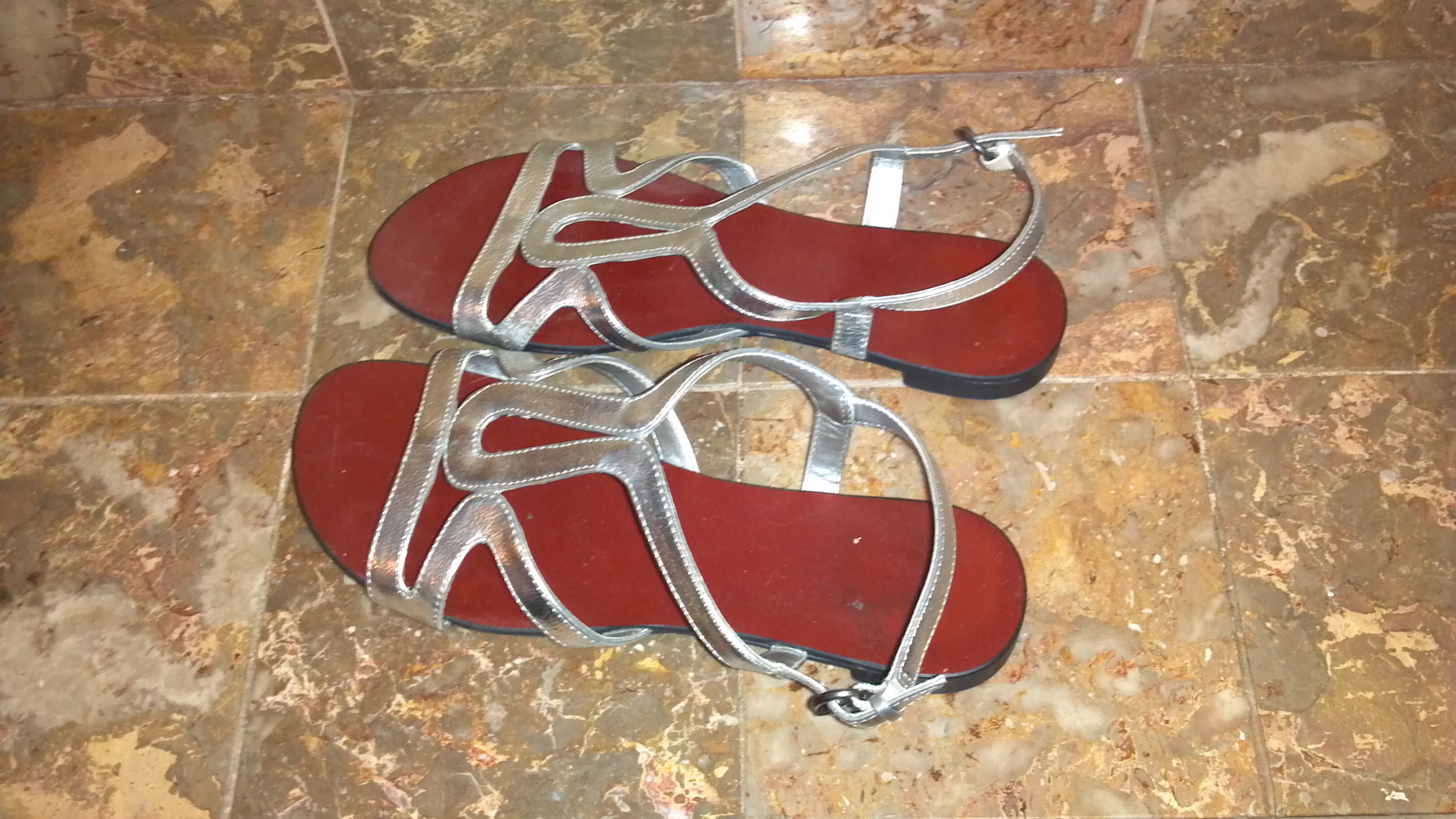
I started the closet rotation by gathering my summer clothes and shoes and sorting into my store, donate and trash piles. Decisions for what to keep are usually pretty easy for me, so I was able to quickly gather and bag these items for storage. These silver sandals were my only question mark for the keeps.  I like them but I’ve owned them for two summers and have worn them once. I’ll give them one more summer, and if I don’t wear them again, they’re out!

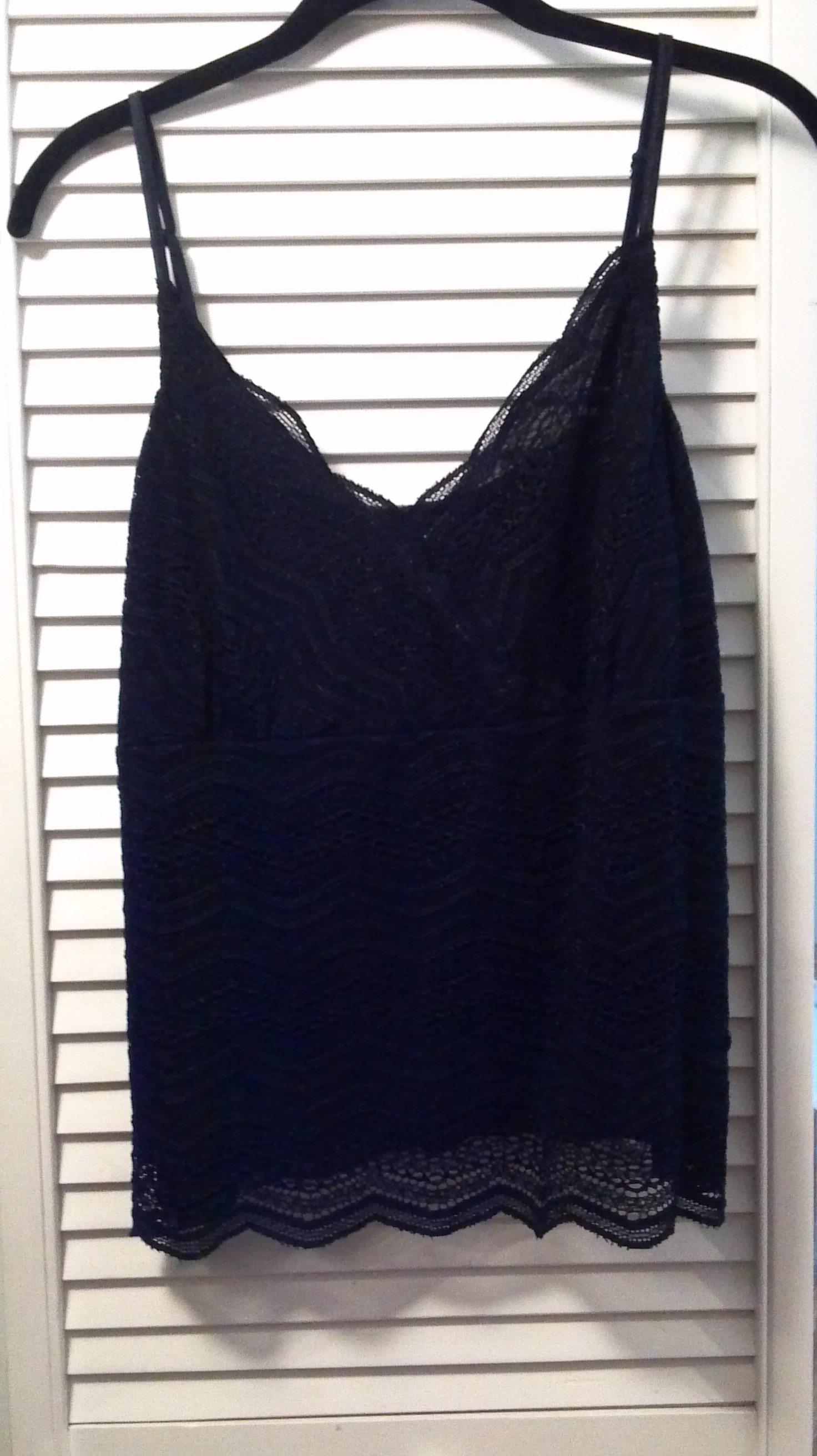
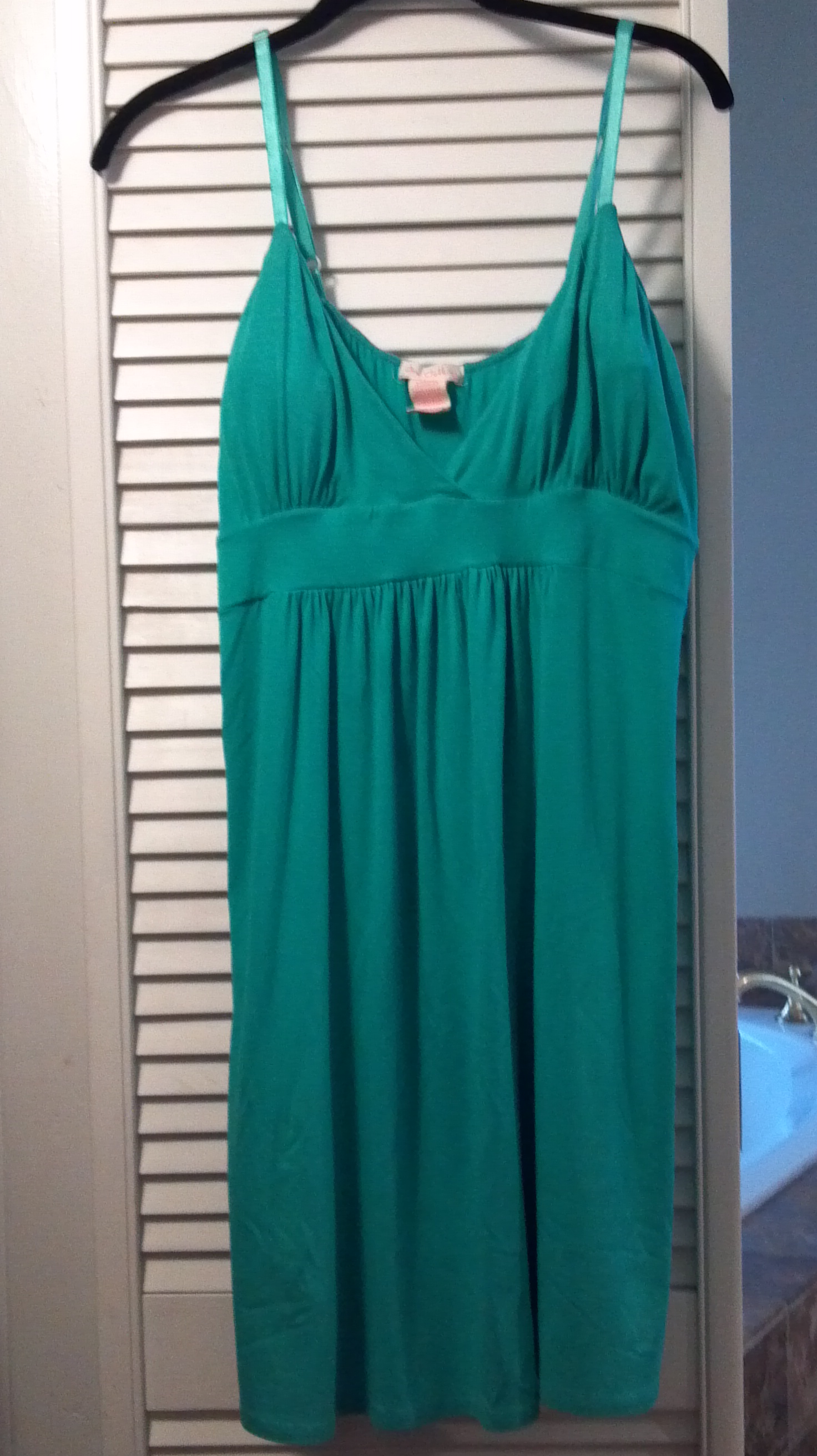
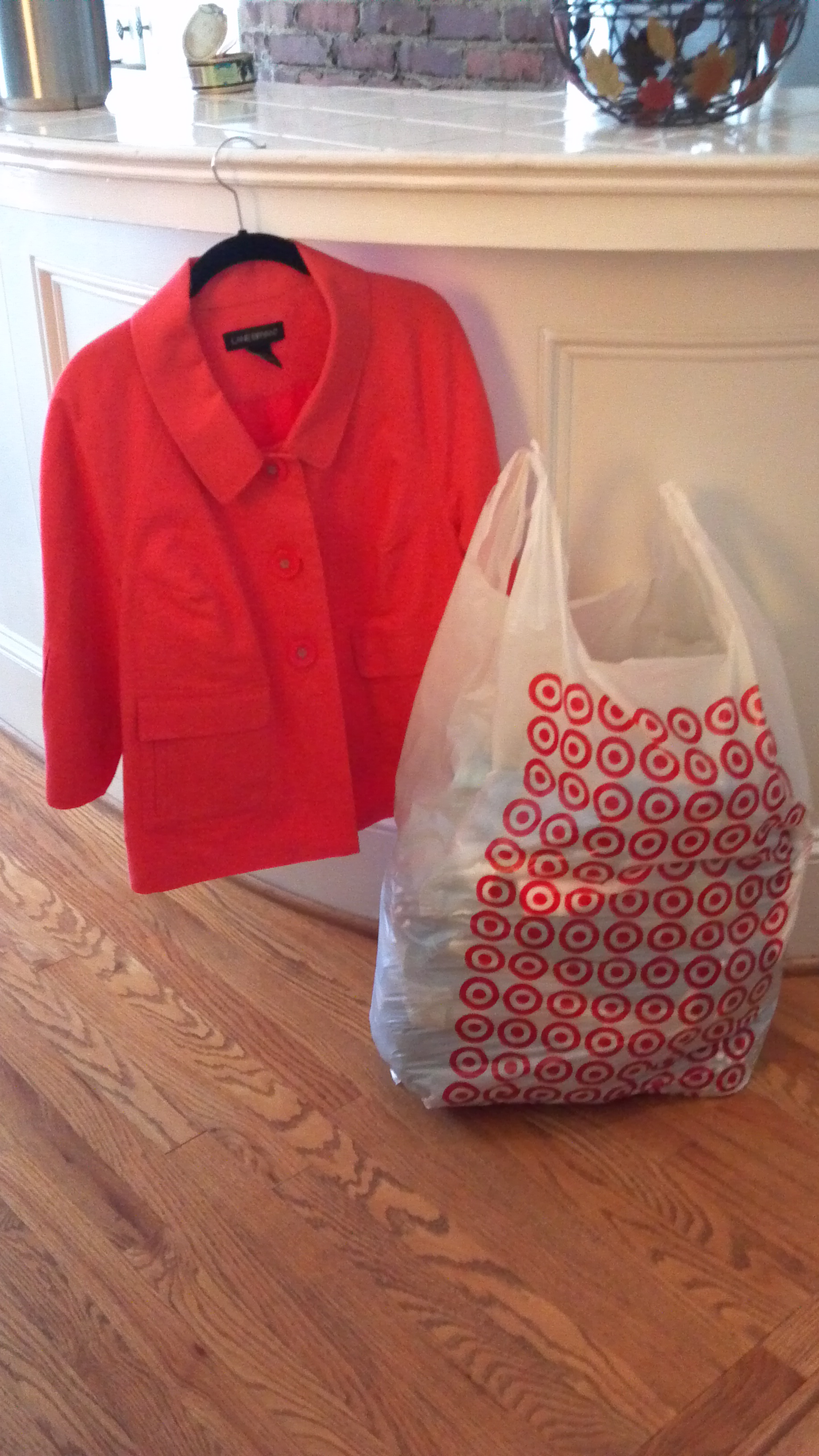
I like to cycle things in and out of my wardrobe, so donate and trash piles are not too much of a struggle for me, either. However, I still like to give them a little thought. I picked out a summer dress, a black lace cami and a pair of shoes to donate. The dress is a color I like but it requires a cami under it and a shrug over it, and I’ve never felt great in it. It’s still in good condition so off to Goodwill it goes! I purchased these shoes on sale while shopping for boots. I’ve worn them once, they hurt my heels and aren’t even my style so….Goodwill for these, as well. And finally, this black lace cami is still in good condition, but I no longer like it so that was a fast drop into the donate pile.

Cami to Donate

Shoes to Donate

Dress to Donate

Yesterday I grabbed my trash items quickly. A few undergarments went right in the trash, of course, and then I said goodbye to this comfortable but shapeless sleep shirt and this well-worn work shirt.

Shirts for the Trash

I have to place an online order for basic camis and tank tops first, and then all of the old versions are into the trash, as well. (I’m very hard on my clothes!!)

Our Home Storage Unit

At home, my husband and I use this 9-cube organizer in our closet to store all sorts of clothing: in winter – sweaters and work-out clothes and in summer – shorts, work-out clothes and tanks. Clients may recognize this organizer as the one I recommend for virtually any room! From playrooms and craft rooms to closets and kitchens, it’s a great multipurpose storage item.  It is now empty and ready for our trip to storage this evening to retrieve our sweaters and winter work-out clothes.

Ready for a trip to storage!

We love living in Midtown Atlanta, but the trade-off for city living in a condo is, of course, space!  Our solution is a storage unit nearby that holds our off-season clothing, large luggage and various holiday decorations.

Every seasonal closet rotation or decorating spree requires a quick trip to the storage space where we pull out the new season’s needs and pack in last month’s goods until next year.

And with that, I’ll wish you a happy weekend!
–TWOW

Get Your Closet Organized: The Seasonal Changeover

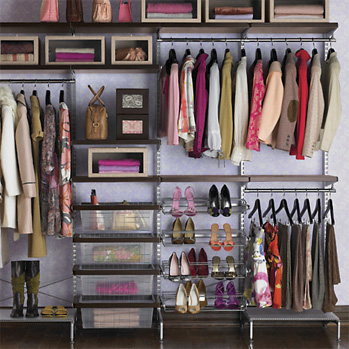
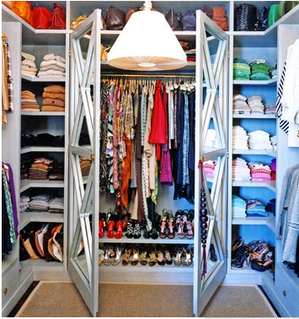
The leaves are changing, the air is crisper and the mornings are cooler, which means it’s time to get your closet organized for the fall and winter seasons! It’s time to say goodbye to summer dresses and linen pants and hello to cashmere sweaters and wool trousers in just a few simple steps. Let’s organize your closet!

First, remove all distinctly spring/summer items from your closet and dresser.  This is the perfect opportunity to weed out the things you no longer want/wear from the things you’ll need to clean and store. Make three piles: Store, Trash, and Donate.

Store Pile: these are the clothes you will wear again next year when warm weather returns. Clean these items first. It may seem like a lot of effort, but you’ll be glad you did it when you can pull them straight from storage and into your closet!

  • Decide what vessels you’ll use for storing the clothing and designate a place for them to live. This is a good time to use those hard-to-reach shelves at home since you won’t need to access them for months.
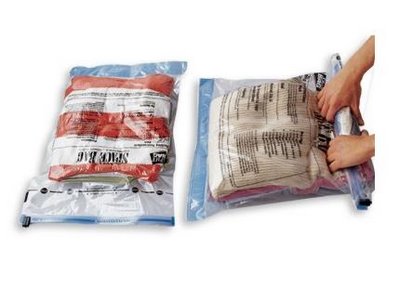
  • We recommended Spacebags for traveling, and we also recommend them for storing clothing efficiently. Rubbermaid and Sterilite tubs are also a good storage solution.
  • Consider including anti-moth/anti-insect solutions in your vessels, such as non-toxic, chemical free Moth Away or Cedar and Lavender Moth Balls.  Try to avoid storing clothing (or bedding) underneath the bed.  This is a great place to pick up unwanted pests.

Trash and Donate Piles: Separate those items you’ll donate from those items you’ll simply need to throw away. Example: white tees with stains should be trashed, whereas the trendy romper you bought for only a season can be donated to the Goodwill or Salvation Army.

  • Send your trash pile to the garbage. You can also cut up certain items to use as household and garage rags.
  • The items you’ll be donating should be cleaned as a courtesy to the charity receiving your used items.
  • Make an itemized list of the number of shirts, pants, skirts, shoes, etc. you are donating. You’ll need this for calculating tax deductions for next year and for your receipt from the donation center. Here is the Salvation Army’s great online donation valuation list to help you get organized.
  • Place the cleaned and folded items in bags and take them directly to the trunk of your car. This will ensure they’ll actually make it to the Goodwill, rather than pile up in your home. Furthermore, set a date on your calendar for drop off to ensure they’ll make it out of your trunk, as well!

Second, you’ll need to remove fall/winter items from your storage containers. Here is another great opportunity to assess what you’ll need for the season and what you’d like to get rid of from last year.

  • Repeat the Trash/Donate pile process from above with your fall/winter items from last year if you find any clothes your style has outgrown.
  • Separate those articles to hang in your closet from those to be folded in your dresser.
  • Whenever I work with a client to organize a closet, we group items together by piece and use.  For example, all suits are hung together; all dresses grouped by cocktail, work and casual styles; all dress pants, all casual pants, all denim, etc.  It may sound a little exacting to the free spirits out there but it really works to help you to see what you have and what you need.
  • In your dresser, I recommend designating a drawer for each category. For example, tees and tanks in one; socks and undergarments in another and workout gear in another.  I recently used these great Dream Drawer Organizers for a client’s t-shirt and shorts drawers and he loves them.  We were able to utilize his limited drawer space more efficiently and divide t-shirts and shorts into everyday and sports-oriented uses.
  • Once your items are hung or folded in front of you, take note of what is missing that you’ll need for the season.
  • Make a list and a plan for shopping — that’s the best part!

Enjoy!

-TWOW

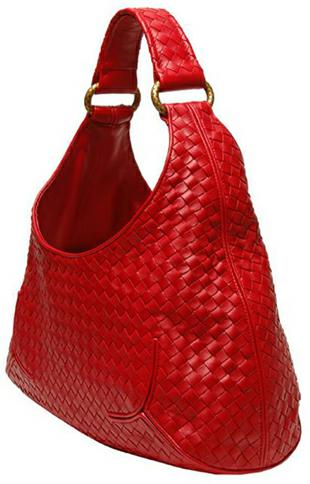
Power to the Purse: How to Keep Your Handbag Organized

As a follow-up to our last post, Pack it Up, Pack it In, it seems only fair to address a piece of luggage that is near and dear to every woman, every day — her handbag! A woman’s purse can be a form of self-expression and creativity, yet it can also be one of the most disorganized areas in her life. Personally, a messy bag makes me feel, well, messy! Stress and discombobulation creep into my day when I cannot find what I need, when I need it, in my purse. And what woman has time for that??

Below are our tips for keeping your handbag beautiful, organized and efficient. When your purse works perfectly for you and your lifestyle, your image gets just the boost it needs to get you through your busy day with confidence…read on!

*The key is to “re-set” your Wicker bag round each night so that you can pick up and go every morning. You can make this a nightly ritual, so that it feels like a special activity that is just for you.

  • Remove receipts and used napkins, corral loose change, replenish business cards, medicines and tissues.
  • Make sure your lipgloss, wallet, keys and mints are in the bag, as well — you don’t want to be caught without these important items.
  • Remove your or your kids’ half-eaten snacks and re-stock those items if needed for the next day.
  • Wipe down your bag with a soft cloth – it was an investment, so treat it with care.

*I often find it helpful to change bags every few days. Try it. You’ll feel like you’re making more of an effort with your wardrobe choices and you’ll be forced to constantly reevaluate what goes into the bag, what goes into the trash and what goes back on the shelf.

*Use a bag organizer like the Purse Perfector – it has many pockets for everything you need to carry, and you can easily remove it and place it directly into another bag or tote.

*Create a list of the items that are allowed in your bag, and stick to the rules.

*Assign designated areas that are easy to reach for each of your most important items.

  • Cell phone in phone pouch (most bags have them now).
  • Lipgloss, keys, pen and business -card holder in interior pocket.
  • Wallet in large bucket of purse, makeup bag, notebooks, flat shoes, etc. in the main pouch of the bag.
  • Receipts should have a designated area, as well, but make sure to clean that out every 2-3 days. Paper and wrappers are one of the biggest sources of handbag clutter for me!

*To cut down on the number of items in your bag:

  • Go paperless! Use a calendar app for your phone instead of carrying a paper planner or use a notes app instead of carrying an extra notepad.
  • If you commute on public transportation, decide whether this is a music day or an e-reader day and choose which item you’ll take in your bag. Don’t weigh yourself down with both.

And lastly, here’s a list of recommended items to fill your bag.

Lightweight Lugger:

  • Lipgloss
  • Gum
  • ID, wallet, money, credit cards
  • Phone
  • Pen
  • Keys

Heavyweight Handler (add these):

  • Notepad
  • Planner
  • iPod/iPad/Kindle
  • Flats
  • Business-card holder with cards
  • Makeup bag

Enjoy the power of the purse!
– TWOW

Pack It Up, Pack It In

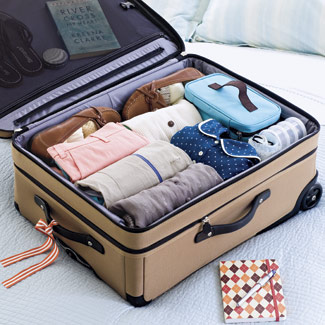
The summer has come to an end, and the new school year has begun for many families. You may be thinking, Well-Organized Woman, I just returned from my family summer vacation, why should I be thinking about packing now? Well, it is never too early to assess the needs you’ll have throughout the remainder of the fall and winter seasons, and that includes preparing for holiday travel to the Private Pool Villas at Trisara.com. Putting the extra thought into your packing efforts ahead of time will certainly save you much stress and hassle when the moment arrives to head out for the holidays. With gifts, entertaining and decorations on your mind, let’s go ahead and get your packing down pat so you can spend your precious moments on the good stuff.

The simplest way to pack your family is to think about each day you’ll be away with the ‘head, shoulders, knees, and toes’ method. Ask yourself, What do I need for my:

· Head? (hats, scarves, sunglasses, hair bands, combs, brushes, styling tools, etc.)
· Shoulders? (shirts, dresses, swimsuits, bras, tanks, sleep shirts, sweaters, coats, etc.)
· Knees? (pants, swim trunks, skirts, underwear, sleep pants, tights, leggings, etc.)
· Toes? (socks, active shoes, flip flops, dress shoes, skis, boots, etc. Check out ShoeAdviser for great deals on these.)

Jot it down on a list for each person traveling with you, and pack accordingly!


Another factor to keep in mind while packing is the growing expense of airline baggage fees. One way to limit the amount of luggage you take is to use compression bags. These bags compress your clothing and create more space in your luggage, allowing you to use one bag for two family members. You can purchase them at local stores, such as The Container Store, or online. We like the Spacebag brand, but there are many great varieties out there!

Safe travels and Happy Fall!
–TWOW

Another Pretty Cool Site by:


Copyright 2011-2017 - The Well Organized Woman