Common Questions (and Answers) for a Professional Organizer

When organizing people’s homes we often answer the same questions again and again. While our answers occasionally change based on the situation, we’ve also come up with general strategies and concepts that seem to ring true for most.

1) Should I keep all of the sizes I fluctuate between? This is a common problem. We find that many individuals with overflowing closets are often holding on to wardrobes in several sizes because of frequent weight changes. What we always tell people is that it’s easier to fluctuate between sizes when you have the next size up available to you. If your jeans were getting a bit tight and you had no larger size available, you might be more conscious of eating healthy and working out to make the current jeans fit again.

2) What do I do with the stuff I’m storing for family/friends? The first question to ask is how long have you been storing the items. Next ask yourself if there was a time limit placed on providing the storage and when the last time the owner mentioned the items. If you’ve had clothing from a relative for several years, chances are they don’t need it anymore and would be fine giving it away. If they truly want the items give them a deadline by which to move them and stand by it. Just remember, this is your home, not a storage unit.

3) How do I maintain the organization? This is the most difficult part of organizing for most people. They love the idea of getting organized, but struggle to maintain it after we’ve left. To assist in keeping your home tidy and organized, commit to a daily routine of putting things back where they belong. Each night, before you go to bed walk around the home and conduct a mini-reset. This will help keep things from getting out of control. Labels are also a great idea to ensure things go back to their rightful homes.

4) What papers do I keep and what can be tossed? In general, if you can find a copy of the document somewhere online, shred, recycle or trash the hard copy. For documents that are currently being used, maintain a inbox/outbox system that is reviewed each week for expired/unnecessary items. To determine what documents need to be stored long-term or for tax purposes, review Suze Orman’s Financial Clutter, What to Keep List.

5)  Am I a Hoarder? It is common for individuals using a professional organizer to feel like perhaps they are a Hoarder. The reality is that the amount of collecting or acquisition that it takes to become a Hoarder is significant and most people do not fit the clinical definition. That being said, there are many people with hoarding tendencies. If any of the following statements are true, you may benefit more from a mental health professional, than an organizer.

  • You acquire belongings to fulfill an emotional need
  • You hold onto excessive amounts of items with little or no value (i.e. newspapers, old magazines, trash, etc.)
  • Your belongings have taken over the space you require to live comfortably in your home
  • You are extremely reluctant to part with any belongings, no matter their frequency of use, value, or usefulness
  • The collecting of items has otherwise impaired your life or health

What are some of the questions you’ve always wanted to ask a professional organizer?

TWOW

Guest Post: 8 Ways to Have Fun Cleaning

While everyone wants a sparkling house, getting there can be…well, a chore. For working and stay-at-home moms alike, jam-packed schedules often limit the time available for cleaning, and it can be easy to do a lackluster job or simply not do it at all some weeks.

Some people hire a housekeeper to clean for them, but if you don’t, here are eight ways to make cleaning fun for yourself and your family:

1. Create a Theme
Parties and special events often have themes that make them special. Borrow that magic for cleaning day. By adding a simple theme, you can turn chores into fun. Pick something like Pirate Adventure. Everyone in your family can dress up in leftover Halloween costumes, play music like the soundtrack toJake and the Never Land Pirates and talk like a pirate while cleaning. Make cleaning silly and you’ll forget that you’re actually working.

2. Make it a Race
Becky, a mom and cleaning expert who blogs at Clean Mama, recommends that you: “Time yourself and try to beat last week’s time.” If you’re the ultra-competitive type (even with yourself), this can be a great way to get motivated. Challenge your kids to see who can make a bed the fastest and give a prize to the winner — maybe they get to pick the next flick for movie night.

3. Get the Family Involved
Cleaning isn’t just something that mom handles. Every member of the family should pitch in. “I like to involve my kids in the chores so we are doing them together,” says Becky.

Like Becky, Jan Dougherty, cleaning expert and author of “The Lost Art of House Cleaning,” says cleaning should be a family affair. Dougherty believes cleaning is an important life tool all children should learn. “Give your children the proper tools to do a good job. Rather than instructing them to clean their room and walking away, give them one-on-one instruction,” she suggests. Kids will enjoy the personal attention and feeling of importance you’re giving them.

4. Shoot Hoops
If you’re getting the whole family involved, set up a few trash bins around the room you’re tackling and have family members take turns trying to throw trash or other items you’re getting rid of into the bins. This can be fun in its own right, but for a little extra motivation, you can award the person who makes the most baskets a prize. The prize can be anything from a homemade “MVP Cleaning Trophy” to even getting to opt out of the chore of their choice for next week’s cleaning duties.

5. Head Outside
We mainly think of cleaning as things to do inside the home, but there’s plenty of work that needs to be done outside as well. Get some fresh air while tackling yard work. Have the kids help rake up leaves and then have fun jumping in the piles before scooping the leaves into garbage bags. In the winter months, getting the kids to help shovel the driveway is easy when you promise they can use the extra snow to make igloos and snowmen when the shoveling is complete. And teach them how to garden by starting with easy tasks like weeding and watering.

Learn more Tricks to Get Kids to Do Yard Work »

6. Skate to Clean Floors
Who doesn’t love that scene from Pippi Longstocking where she puts sponges on her feet to mop the floors? Have everyone remove their socks and shoes and tear up old towels so that everyone gets their own pair of “skates.” Fill up the sink or a bucket with soap and water and have everyone dip their skates into the soapy water before putting them under their feet and gliding around the room. To dry the floor, grab an oversized towel and have everyone jump on board, single file to create a cleanup choo-choo train.

7. Multitask
Cleaning can be a great way to sneak some exercise into your life. Kill two birds with one stone by wearing light ankle weights or watching your form while you polish the counter tops. If you aren’t interested in the weights, Becky recommends you “wear a pedometer and see how many steps you can take while you do your house cleaning.” Cleaning can be great cardio if you’re willing to look a little foolish in your own home. Who knows? You may be motivated to take more steps, and thus, clean more.

8. Entertain Yourself
One of the best ways to make cleaning fun is to make it entertaining. Becky recommends playing music or putting on a kid-friendly movie while you all fold laundry. In the same way music can motivate you to workout harder, it can also pump up your chores. After all, who hasn’t used their mop handle to pretend they were Adele at the Oscars? Put on some upbeat tunes and dance around the house while de-griming. You will be done in no time.

Cleaning doesn’t have to be tedious and boring. By taking it step-by-step and incorporating small games and challenges into each chore, you can make it a fun, family activity rather than bemoaning all of the things you have to do. The next time cleaning day rolls around, bust out your MP3 player, put on some ratty clothes and get down with your bad self.

This post was generously written by Alaina Brandenburger, a Contributor for Care.com (www.Care.com), the largest online care destination in the world.


Guest Post: Get the Most Out of Spring Cleaning

Spring cleaning season is here again. Hurray! (Or groan.) Whether you love doing away with winter cobwebs or you cringe at the sight of a feather duster, now is a great time to freshen up your home.

While many people know they should be giving their houses a deep clean during this time of year, most don’t know where to start. Here are some great tips from cleaning experts on how to prioritize and manage the big spring clean.

1. Take it Slow
Mary Baker, who has been cleaning houses for more than 20 years in the Tulsa, Okla., area, suggests spreading the job out. “A lot of people make the mistake of trying to get everything done in one long session, only to end up exhausted and quitting before the job is finished,” she says.

Instead, spread the job over a week or a couple of weekends. Look at your schedule and figure out when you can devote time to this project. Breaking things up into small chunks of time will make it much more manageable. Hire a babysitter to get the kids out of the house for an afternoon, so you’ll be more productive.

2. Make a Room-by-Room List
Jen Murphy started cleaning houses in college and now runs a cleaning business near Portland, Ore. She believes that the most important step is to make a list. “Go around the entire house and make a list of jobs for each room. Once the list is made, mark each item with a 1, 2 or 3, with 1 being the most urgent.” Murphy suggests. “That way you know what to conquer first when you enter the room.”

Tasks you do regularly, like straightening up and doing the laundry, shouldn’t be your focus. Think about the more intense jobs that you usually avoid or only do once a year (or before your mother-in-law comes to visit) — those are the things that should be given a 1 on your list.

3. Prioritize Your Tasks
When it comes to spring cleaning, everyone’s prioritizes are different. Some people focus on cleaning every inch of their house, while others try to organize and purge.

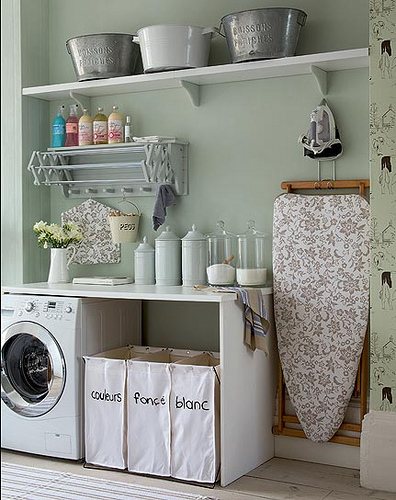
“After the basics, people’s needs differ,” Baker says. “Many people want to give the bathrooms a good scrubbing, cleaning the fixtures and putting up a new shower curtain, while others may prefer to tackle the laundry room or start organizing shelves.”

Here are some common deep cleaning tasks that you may want to put at the top of your checklist.

  • Pull out all appliances and clean behind and under them
  • Clean the fridge, including dusting the coils, defrosting the freezer and scrubbing all shelves and compartments
  • Clean inside the stove
  • Vacuum and flip mattresses
  • Clean pillows and comforters
  • Wash all windows and clean window sills and hardware
  • Clean drapes and blinds
  • Wipe and dust walls and ceilings
  • Organize closets
  • Vacuum behind and under furniture and flip all cushions
  • Deep clean your child’s playroom
  • Empty, clean and reorganize shelves and bookcases
  • Change the batteries on your smoke and carbon monoxide detectors
  • Clean outdoor furniture
  • Wash off patio, deck, driveway and any outside areas

4. Inventory Cleaning Supplies
Now that you know what needs to get done, make sure you have the right tools. Go through your to-do list and your cleaning products and see if you have everything you’ll need. Do you need a new vacuum, duster or toilet bowl brush? How is your supply of sponges? Make a trip to store to replenish expired or almost empty products.

“Having all your supplies gathered beforehand will save on both time and frustration” Murphy says.

5. Go Green
Ever thought about switching to green cleaning products? Since you’re re-stocking your cleaning supply cabinet anyway, now is a perfect time to turn over an environmentally friendly leaf. As you go through your to-do list, think about how you can clean without using chemicals. Here are some options to get you started: Green Cleaning: 12 Natural Solutions that Really Work »

6. Give Away What You Don’t Use
In additional to actual cleaning, spring cleaning is the perfect time to sort through toys, DVDs, clothing, household items and sporting goods. If you haven’t used it in the past year, do you really need to keep it? Donate items to local groups or organizations. (Check out this list of national charities that accept donations.)

“As you clean a room, take the time to remove and box up products you no longer use,” says Baker. Then put the boxes directly into your car as soon as they’re filled. “Getting the items into the box is the first step, but getting them into the car is necessary for getting them out of the house,” she suggests. This extra step also creates less to have to clean next year!

7. Be Realistic
“I always tell people to make the list, but don’t expect to finish everything; it’s just too much pressure,” Murphy says. Focus on getting the 1s on your list checked off. Then move on to 2s and 3s when you have time. Post the list on the fridge so it’s harder to ignore.

8. Bring in Some Professional Help
Is your list more than you think you can handle? Do you have a busy schedule or finicky baby that makes finding time to clean difficult? Instead of putting off your spring cleaning, hire some help. It’s okay to admit you can’t do it alone.

Find a housekeeper through a site like Care.com. Mention you’re looking for someone to help out for a few hours (or days, depending on your list) with spring cleaning chores.

Yes, spring cleaning sounds scary and overwhelming, but if you go in with a step-by-step plan, your home will soon be squeaky clean in no time, and you’ll be outside enjoying the spring weather. Take that feather duster!

And in the comments section below, share your tricks for getting through the spring cleaning chaos.

This post was generously written by Kristy Stevens-Young,  a Contributor for Care.com (www.Care.com), the largest online care destination in the world.


Guest Post: Turn Your Home Office Space Into A Shining Beacon Of Creativity

The whole notion of the typical “office space” is one that’s changed much over the years, and with the advances in technology allowing people to work from pretty much anywhere on the planet, the corporate office is slowly giving way in parts to the home office. Whether it’s someone trying to balance home and work life, someone running a business from their own home or simply someone putting in those extra hours outside of work, the home office is becoming a much more common feature of homes across the globe – but how many of them are actually “done” right?

Whilst the idea of working at home with your slippers on in front of the TV is an idea that sounds amazing to many typical 9 to 5 office workers, a lot of people who try it will end up commenting on how difficult it is to actually get anything done with so many distractions at home, be it the TV, phone calls, knocks at the door, or trying to keep the dog from jumping on your paperwork whilst the kids are drawing on the walls. If you’re going to work from home, it has to be done properly!

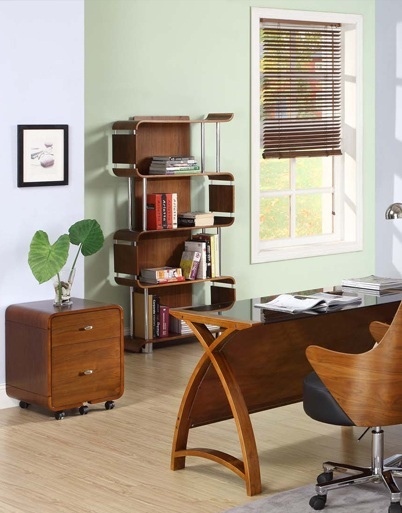
Ideally, a fit for purpose home office should be a space that’s somewhat secluded from the rest of the distractions at home. Whether minimizing noise and interruptions is possible or not, organization should always be the key. Without a properly organized space your working day will fall apart in less time than what you spend in traffic when you go out to work. Now, obviously not everyone has the space in their home to have a completely dedicated area for a home office, but trying to work in a cramped room, squeezed between the christmas decorations, suitcases and any other old junk is clearly not going to be helpful. A home office should try to imitate an actual group work office as much as possible in that appropriate furnishings are a must have. Don’t try to keep your files all together in a pile on the desk or the floor, store them away in a filing cabinet, or ensure that you have a desk with adequate storage space in drawers so that you know exactly where everything is. If you don’t want to spend money on furniture for a “non-family” room, drag your old sock drawer in from the bedroom, it works the same and gives you an excuse for shiny new bedroom furniture. Either way, you don’t want to have to spend half the day hunting around the house just to find out that your sales invoices have somehow ended up on the back garden!

Comfort is a must too, many people might just think dragging a dining room chair into the office will do just fine, but without a proper comfortable office chair before long you will be fidgeting, moving around, and getting up because of back pain, all drawing you away from the task at hand. Once you’ve had one bad experience, the thought of going back to that uncomfortable position you’ll find yourself procrastinating and putting off going back to work at every opportunity – ultimately lowering morale and productivity.

This also spreads into the overall decor of the room, if your office space is disorganized, uncomfortable and dull the odds of you actually wanting to get any work done are going to be greatly reduced, and you’re going to be miserable about having to be in there. A healthy, stimulating environment is what you need, and you shouldn’t hold back. Attractive paints or wallpapers on the walls are more likely to make you enjoy being in the room, and may well get your creative juices flowing. Also try to make the most of the light in the room, a warm glow to the room will make things much more cheerful. If you’re stuck in a windowless room, ensure you’ve got a good light source, preferably with daylight bulbs. It can also help to add some plant life into the room, so that when you’re all shut away, you don’t feel like the last living thing trapped on earth.

Many people have the dream of working from home, that can often turn into a nightmare, but with proper organization, a bit of creativity and a good interior design job, your home office space can be transformed into the shining beacon of creativity you long for – and yes, slippers are still allowed.
This post was generously written by Danny Watkinson at JWA Design.  

5 Ways to Organize on a Budget

Transforming your space from cluttered to organized doesn’t have to cost a lot. Sure there are many incredible, yet expensive products out there to help you achieve that Pinterest-worthy organization, but there are also lots of tricks to get the same look for cheap. Here are some of our favorite ideas.

1) Recycle & Reuse: Instead of purchasing new containers, make use of the products you already have around your home. Some items that can be easily repurposed into new storage solutions include:

  • Shoe Boxes
  • Cups & Mugs
  • Old Tupperware
  • Altoid Tins (for small items like nails and pins)
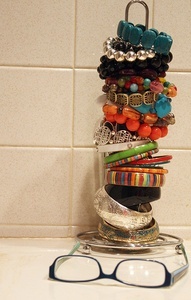
  • Shower Curtain Hooks (for belt and necklace storage)
  • Baskets
  • Ice Cube Trays or Muffin Tins (for earrings and other jewelry)
  • Used Food Jars
  • Ziplock Bags

2) Freebies: Before buying any new organizing products, post what you are in need of on Facebook or Twitter and see if someone in your network is willing to gift it to you. Freecycle.org is also an excellent resource for finding free home goods.

3) Sell Unused Stuff: When cleaning out homes we often come across many valuable belongings that are simply no longer being used. Make money off of these items by selling them at a garage sale, via Craigslist, Tradesy.com, or even a consignment store. The money made can then be used to purchase the necessary organizing items.

4) Sales, Deals & Discounts: When you decide to spend money on organizing products, take advantage of sales and discounts. Typically August is a good time of year to find deals on storage solutions as many stores are promoting off-to-college sales. In terms of discounts, you can usually get at least 10% at Bed Bath & Beyond and Michael’s for signing up for their email programs. The Ikea as-is section and The Dollar Store can also be a great places to find a deal.

5) Purge First: A common mistake that people make when organizing is to buy a ton of storage products that they think they will need before assessing the post-purge room contents. In order to avoid over-spending, complete your room purge first, then buy only the minimum number of products needed to make the space feel organized.

What are your favorite budget organizing tips?

TWOW 

Simple Ways to Feel More Organized

Organizing professionals understand that there are some small things you can work on that make a big difference in the level of organization you feel in your home. These changes don’t take a lot of effort and can be fairly inexpensive, but you’re certain to notice the positive effect in your home. Here are some of our favorite ideas.

1) New Hangers: Changing out your mismatched, old hangers to a complete set can instantly make your closet appear more organized. The process of replacing the old ones can also be a good time to complete a clothing purge and re-organization.

2) Junk Drawer Organization: This is one area of the home that is frequently out of control. Tidying it up with some drawer organizers can feel like a huge relief for most people, but the task can be fairly quick.

3) Implement a Mail Routine: Instead of opening the mail and letting it pile up on the counter for months, institute a daily routine where you open the mail over your shredder and near you filing system. Once mail has been sorted, shred the unnecessary items and file the rest in appropriate mail system folders.

4) Labels: It can be difficult for large families to all contribute to a new system of organization. Labels can help them stick to the system and remember where things belong. Use a label maker to identify where things live in the kitchen, medicine cabinet, office, play room, and anywhere else where items are frequently used and moved.

5) Create Return, Donate, & Repair Bins: Some of the most common clutter that accumulates in homes are items that are actually meant to leave, but never quite make it out. Creating a three bin system in your garage or car can help you move these items along more quickly. When an item needs returning, donating, or repair, simply place it in the correct bin and handle on a regular basis.


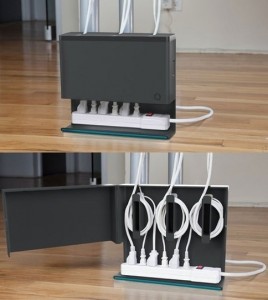
6) Contain Unsightly Cords: Use a cord organizer to discreetly contain and hide cords in your office or living room.

7) Clear off Elevated Flat Surfaces: By taking a few minutes to clear the surfaces in your home of clutter, you’ll feel a greater sense of organization throughout. All elevated flat surfaces count, so don’t forget places like dresser tops, nightstands, and kitchen counters.

8) Bathroom Cabinets: These spaces are often cluttered, but also underutilized. Measure the space and purchase bins or baskets that offer greater use of the full height and width. Organize using a like-with-like strategy.

What are your favorite quick organizing ideas?

TWOW


How to Organize Your Fridge

Do your berries get moldy a few days after purchase? Does your lettuce wilt shortly after you open the bag? For many Americans the battle against food self life is constant. However, did you know that you can extend the life of certain fruits, veggies, and other items simply by storing them in the correct fridge location? We’ve compiled the best fridge organization strategies right here.

General Strategies:

  • An overly packed fridge leads to poor circulation and an increase in temperature. Do not store too much at one time if you like your foods to stay fresh.
  • The ideal temperature for your fridge is 40°F.
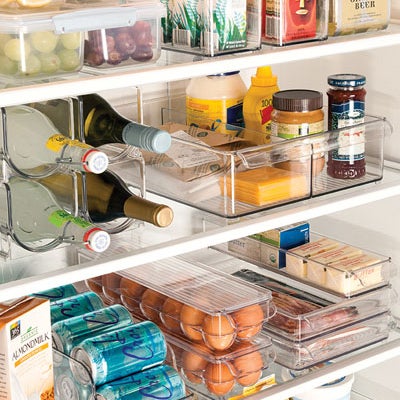
  • Use bins, containers and labels to organize the space.
  • Larger items (juice cartons, etc.) go towards the back and smaller items are towards the front.
  • Review fridge contents daily and remove rotten food as soon as possible. This will help keep the other items fresher longer.

What Goes Where: 

  • Crisper: Store fruits here, but keep in mind the preferred separation of certain items. A full list is below in the ‘Specific Foods’ section.
  • Bottom Drawer: This is the warmest place in the fridge, so it is best suited for veggies.
  • Skinny Top Drawer: Store deli meats and cheeses here.
  • Door: Do not store foods that are sensitive to temperature changes (ex. eggs) in the door. Items like condiments and glass jars are best suited for this location.
  • Top Shelf: Dairy, including milk and eggs is best stored here.
  • Bottom Shelf: Raw meat, poultry and fish should be stored here.
  • Freezer: Items that you’ll have long term should be sealed tightly and stored with like-items here.

Food Specifics:

  • Ethylene-Releasing Foods:  Certain foods release a gas that causes other fruits to spoil more quickly. Store these separately and or in a sealed container. Examples include: Melons (except watermelon),  Apples, Figs,  Avocados,  Nectarines,  Pears,  Plums,  Peaches,  Tomatoes,  and Unripe Bananas.
  • Ethylene-Effected Foods: These fruits are especially effected by the gas, so store them as far apart as possible: Ripe Bananas, Cucumbers, Carrots, Brussels Sprouts, Lettuce (& other leafy greens),  Squash,  Parsley,  Peas, Watermelon, Peppers, Cabbage, Sweet Potatoes, and Cauliflower.
  • Berries: Keep in their original containers and do not wrap tightly.
  • Cheese: Wrap tightly or use sealed bags.
  • Eggs: They are still good for 3-5 weeks after the ‘sell-by’ date. Keep them in their original container for the longest shelf life.
  • Lettuce: Seal in a glass jar for a longer shelf life.
  • For a full list of specific fruit and veggie storage tips check out this post by My Thirty Spot.

Helpful Products:

Good luck!

TWOW

9 Things to Review & Do in 2013

A New Year means that certain items in your life may require attention. We’ve put together a list of the most common tasks to complete or review as soon as possible.

1) Prescriptions: Review prescriptions and toss any that have expired. Make note of the ones that are in need of refill and contact your doctor to process the order before it becomes urgent.

2) Documents: Take a look at your passport, driver’s license and any other documents that expire to determine if they require a renewal in 2013.

3) Annual Appointments: Schedule annual appointments for doctors, dentists, optometrists, and accountants.

4) Smoke & Carbon Monoxide Detectors: Change the batteries on the detectors and mark on the calendar when the next change will occur.

5) Pantry & Fridge Contents: Review the food in your pantry and fridge for expired goods. Purge anything that’s expired and make note of the items that have upcoming expirations so that you can use them soon.

6) Filters: Change the filters in your HVAC unit and mark on your calendar the next swap out date.

7) Credit Report: Get a free annual copy of your credit report and review the past year’s changes.

8) Policies: Review any policies that may require updates or renewal in the new year, such as insurance and product warranties.

9) Taxes: Take a look at your income tax withholding from last year and determine if your personal situation has changed in a way that affects your number (i.e. marriage, divorce, children, etc.)

Good luck!

TWOW

5 Ways to Make Your New Years Resolution Stick

Over 60% of Americans that make New Years resolutions will keep them through January. After that, the number continues to decline as the months go by. There are many reasons as to why so many resolutions are not maintained, but there are ways in which to improve your chances of achieving the goal.

1) Make it Positive: Resolutions that involve denying yourself something, such as diets, can be difficult. Instead, make the goal something positive, such as attending a fitness class 3 times per week for the year. This type of resolution can help you obtain the ultimate goal of weight-loss, but it will seem less restrictive in the process.

2) Be Specific: The most essential part of developing a goal is to outline in specifics what the goal is and how you will achieve it. For example, if your resolution is to read more, perhaps you could make a goal to complete one book every two weeks, at minimum. Create a calendar and keep yourself accountable to noting when the next reading deadline is and you’ll have greater chances of finishing the goal. 

3) Reinforce Yourself: If you’re working towards a goal, it helps to have reinforcement to encourage you. This can come in many forms, such as positive support from friends or family or perhaps a reward of a shopping spree after a benchmark has been met. When setting your goal timeline, add in benchmarks of when you will receive said reward and you’ll have something to look forward to while you are working.

4) Automate: The best way to achieve a goal is to remove yourself as the active participant. For instance, if your goal is to save more money this year, set up at automatic savings transfer to your savings account each payday. Without even thinking about it, you’ll have more money saved by the end of the year.

5) Be Realistic: Goals that are attainable are easier to work towards. Select resolutions that you have a high likelihood of achieving, such as losing 15lbs instead of 50lbs or attempting to have a more organized calendar instead of having a more organized life. Once you obtain the initial goal you can re-plan for future improvements.

We wish you luck in acheiving your New Years Resolutions and a Happy New Year!

TWOW

Last-Minute Holiday Preparations List

With Christmas just a few days away, many of us are rushing to make last-minute preparations. While it’s unlikely we’ll forget to purchase wrapping paper, there are other tasks that may fall through the cracks. To mitigate this potential problem, we’ve created the following list of overlooked holiday to-do’s.

  • Surprise Guests: Purchase a few extra gift cards or bottles of wine for unexpected holiday guests
  • Holiday Tips: Prepare and deliver your holiday gratuities/gifts for service personnel (baby sitters, maids, teachers, postal service person, etc.)
  • Stockings: Buy stocking stuffers
  • Thanks: Purchase thank-you cards for holiday gifts received
  • Overnight Guests: Clean and prepare your home for out-of-town guests
  • Charity: Send all charitable donations before the end of the year for inclusion in 2012 taxes
  • New Years Eve: Make reservations for NYE events or meals
  • Batteries: Purchase a few packs of batteries in varying sizes
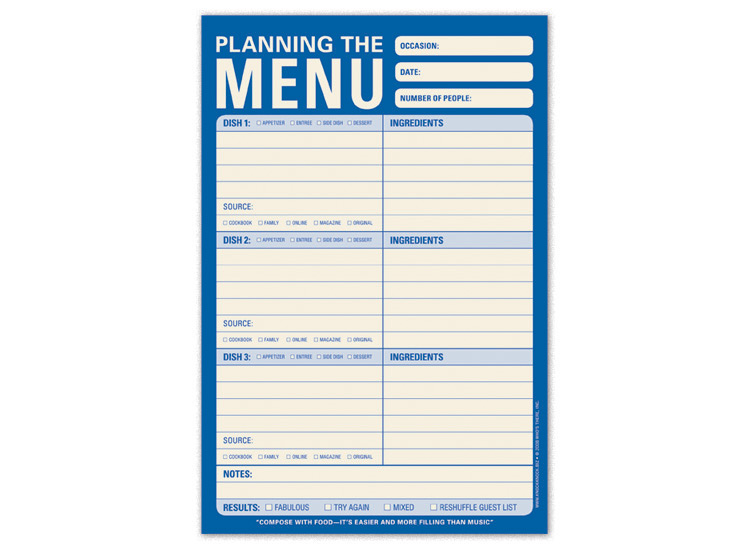
  • Groceries: Review your holiday meal menus and determine what still needs to be gotten off of the grocery list
  • Receipts: Organize all holiday gift purchase receipts before the gift-exchange in case someone needs to return something. A new app called Topanga is also a great tool for keeping track of your holiday (and other) purchase information, returns, price details, coordinating products, and warranties.
We also encourage you to check out our downloadable and printable Holiday Planner eBook for more tips of preparing for the holidays in an organized fashion. The ebook is available for purchase ($2.99) via Lulu.com:  http://www.lulu.com/spotlight/HolidayPlanner

We wish you a very happy and organized holiday season!

TWOW

Another Pretty Cool Site by:


Copyright 2011 - The Well Organized Woman